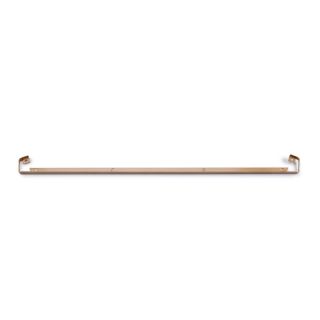
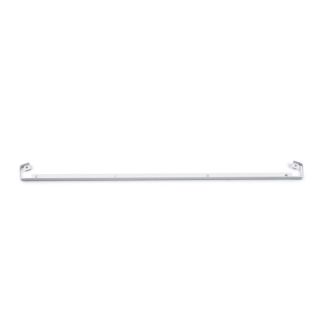
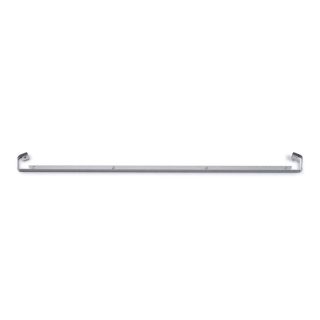
Explore Edging Solutions for Every Application
PVC Edging
Give exposed board edges a durable, attractive finish with our range of unglued PVC edging. Designed to protect edges against everyday wear and tear, PVC edging is a practical choice for furniture and cabinetry used regularly. Choose from a selection of colours and finishes to complement your boards, from classic solid colours to wood-look finishes.
Achieve a neat, coordinated finish with our preglued melamine edging strips. Designed to complement melamine-faced boards, these heat-activated edging strips offer a convenient solution for furniture installations, repairs and DIY projects. Available in various colours and finishes,melamine edge banding helps conceal exposed board edges for a clean, uniform appearance. The pre-applied adhesive makes installation straightforward when applied according to the product instructions.
Conceal gaps, cover exposed edges and create neat transitions with Gelmar's selection of T-joints and edging trims. These practical finishing products help improve the appearance of adjoining surfaces and furniture components. Select a T-joint trim or edging profile that suits your board thickness, surface finish and installation requirements.
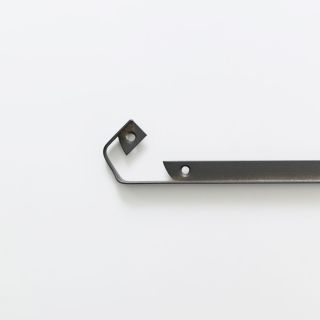
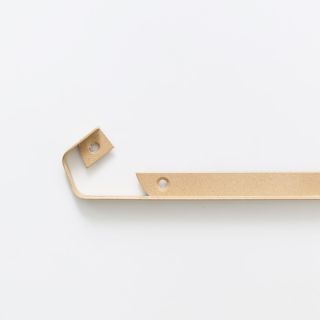
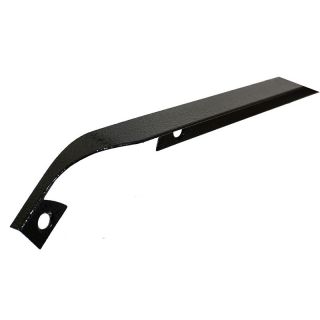
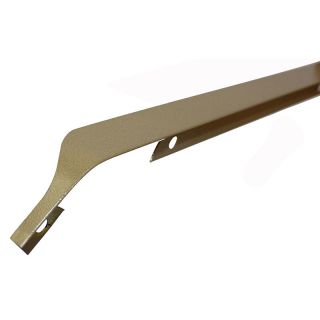
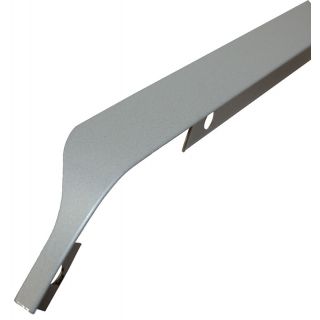
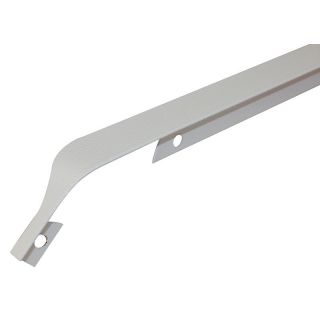
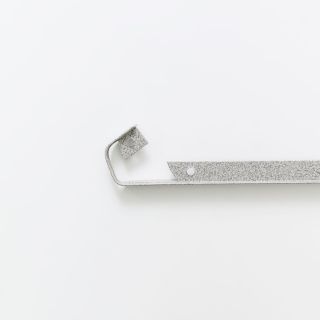
Complete your countertop and panel installations with our range of joining profiles. From corner joints to profiles designed for adjoining work surfaces, these products help conceal joins and create a neat, coordinated finish. Choose from different colours, lengths and profile designs to suit your installation. Always select a profile compatible with your countertop or board dimensions and shape.
Edging Tools & Accessories
Make your edging installation easier with Gelmar's range of edging tools. The right tools help remove excess edge banding, trim edges accurately and achieve a smoother, more professional finish. Whether you're completing a small furniture repair or fitting an entire kitchen, ouredging tools are practical additions to your DIY or professional toolkit.
How to Choose the Right Edging for Your Project
Choosing the right furniture edging doesn't need to be complicated. Keep the following in mind when shopping foredging strips and accessories:
Board material: Choose edging compatible with your board material and surface finish.
Board thickness: Measure your board carefully and choose edging with the right width, allowing for trimming where needed.
Colour and texture: Match your edging to the board or create a contrasting finish for a decorative touch.
Durability: Consider PVC edge trim for furniture and cabinetry exposed to frequent use and everyday wear and tear.
Installation method: Choose between preglued melamine edging and unglued PVC edging based on your available tools, adhesive, and application requirements.
Compare Our Edging Products
| | | |
Protecting exposed board edges | | Kitchen & Utility Cabinets | Durable and suitable for high-use areas |
Matching melamine board finishes | | | Helps create a coordinated appearance |
Creating smooth transitions | | Countertops & Panel Joins | Conceals joins and improves presentation |
Connecting boards securely | | Cabinetry & Furniture Construction | Suitable for strengthening joins |
Finishing edging installations | | DIY & Professional Projects | Improves installation accuracy |
Refurbishing existing furniture | | Furniture Repairs & Upgrades | Match colour and dimensions carefully |
Why Choosing the Right Edging Matters
The right edging protects your furniture, improves durability and creates a professional finish.
Neat, Professional Finish: PVC and melamine edging cover exposed board edges for a clean, coordinated look.
Added Protection: Edging strips help prevent chipping, scratches and everyday wear.
Longer-Lasting Furniture: Protecting vulnerable edges helps extend the lifespan of cupboards, shelving and furniture.
Cleaner Joins: Joining profiles and trims conceal gaps and create smooth transitions between surfaces.
Professional Results: Whether you're tackling a DIY project or a larger installation, the rightboard edging makes all the difference.
Complete your project with Gelmar! Explore our furniture hardware, shelving, wardrobe accessories and kitchen solutions.
Frequently Asked Questions About Edging
What is PVC edging used for?
PVC edging covers and protects exposed board edges, providing a durable finish for furniture, cupboards, desks and shelving.
What is the difference between PVC edging and melamine edging?
PVC edging is generally more flexible and impact-resistant, whilemelamine edging offers a convenient, coordinated finish for melamine-faced boards. Gelmar stocks unglued PVC edging and preglued melamine edging.
Can I replace edging on existing furniture?
Yes. Damaged or worn edging can often be replaced. Remove the old edging, prepare the surface and select replacement edging that matches your board dimensions and finish.
How do I choose the correct edging size?
Measure the thickness of your board and the total length requiring edging. Allow extra material for trimming where necessary.
How is preglued melamine edging applied?
Preglued melamine edging is applied using controlled heat to activate the adhesive. Once bonded and cooled, excess material can be trimmed away according to the product instructions.
What are T-joint trims used for?
T-joint trims help cover joins and create neat finishing transitions between compatible adjoining surfaces.
When should I use joining profiles?
Joining profiles are useful when finishing countertop joints and adjoining panels where a neat, coordinated transition is required.
Do I need special tools to install edging?
While some edging products can be applied using basic tools, specialised edging trimmers and accessories help improve installation accuracy and achieve a cleaner, more professional finish.
Which edging is best for kitchen cupboards?
Both PVC and melamine edging are suitable options, depending on the board material, installation method and durability requirements.PVC edging is particularly practical for frequently used cupboards.
Does edging make boards waterproof?
Edging helps limit moisture exposure along covered board edges, but it does not make the board waterproof.