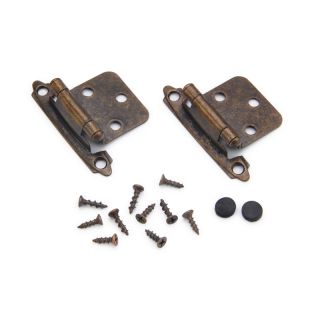
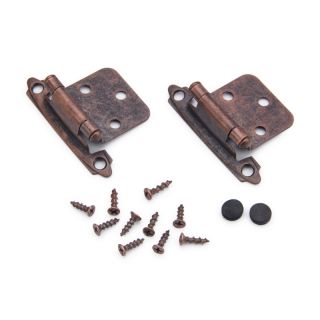
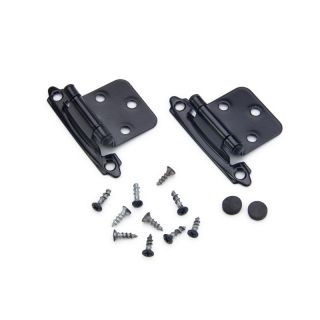
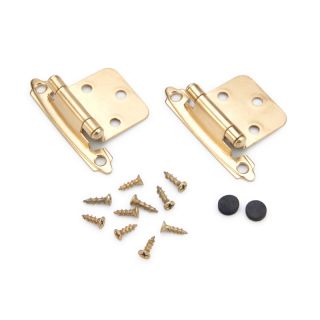
Explore Hinge Options
Concealed hinges are hidden from view when the cabinet door is closed, creating a clean, streamlined appearance. They are commonly used in modern kitchens, wardrobes and other cabinetry where visible hinge hardware is not preferred.
Different concealed cabinet hinges suit different door configurations, so check the cabinet design, mounting requirements and opening angle before selecting a hinge.
Soft-close hinges control the final part of the door's closing movement, helping reduce slamming and allowing cabinet doors to close more gently. They are particularly useful for frequently used kitchen and bathroom cupboards.
When selecting soft-close kitchen cabinet hinges, check compatibility with the cabinet and door configuration.
Cabinet & Cupboard Hinges
Cabinet hinges and cupboard hinges are used across kitchens, bathrooms, wardrobes, storage cupboards and other furniture. The right hinge lets the door open smoothly while staying properly aligned with the cabinet.
When replacing cabinet door hinges or kitchen cupboard hinges, compare the existing hinge type, dimensions and mounting arrangement before purchasing a replacement.
Gelmar's door hinges and furniture hinges provide solutions for different furniture and cabinetry applications. The best option depends on the door type and size, how it opens, and the intended use.
For frequently used furniture, consider the hinge's construction, mounting method and suitability for the application rather than choosing on appearance alone.
Speciality Hinges & Accessories
Some cabinets require more specialised hardware. Corner cabinet hinges can accommodate particular corner configurations, while lift-up hinge systems are designed for cabinet doors that open upwards.
Mounting plates and other hinge accessories can also form part of the installation. Always check compatibility between the hinge, mounting plate, cabinet and door.
How to Choose the Right Hinge
Start with the cabinet and door configuration. Consider door dimensions and weight, opening angle, frequency of use and installation requirements. For concealed systems, overlay requirements and door thickness may also influence which hinge is suitable.
Concealed and soft-close hinges are popular for modern cabinetry. Concealed hinges maintain a streamlined appearance, while soft-close functionality provides quieter, more controlled closing for frequently used cupboards.
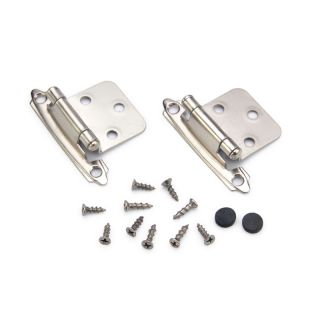
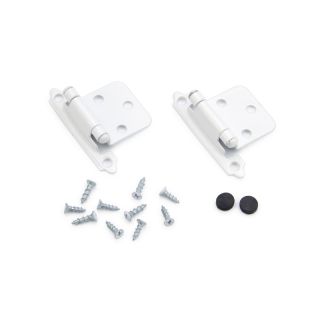
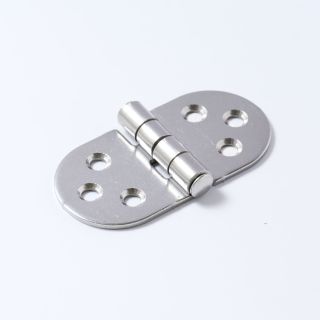
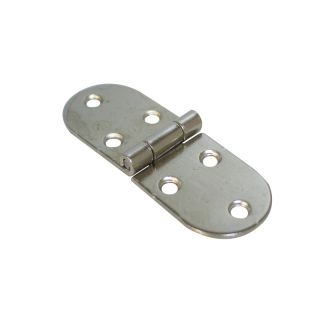
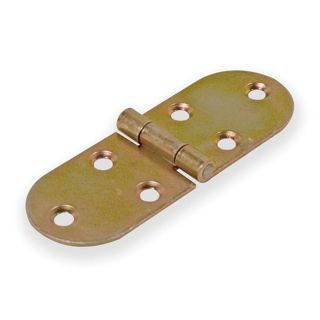
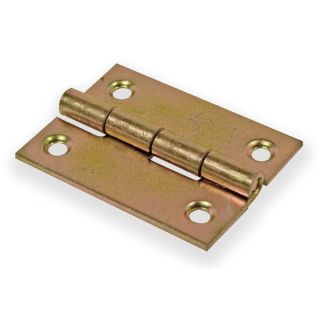
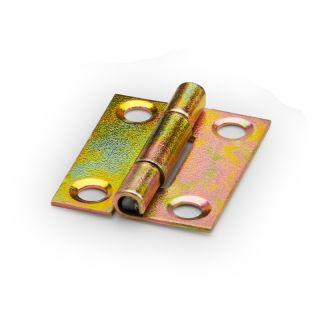
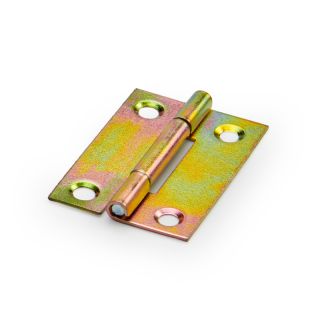
Standard cabinet hinges can provide a practical solution for everyday storage cupboards and furniture. Correct sizing and installation remain important for smooth movement and alignment.
Replacement hinges can restore the operation of cupboards with worn, damaged or poorly functioning hardware. Where possible, match the replacement to the existing drilling, mounting arrangement and door configuration.
Speciality hinges may be required for corner cabinets, lift-up doors or other less conventional configurations. Check the opening movement and installation requirements carefully before selecting hardware.
Which Hinge Should You Choose?
| | | |
Modern cabinet appearance | | | Requires compatible door drilling |
| | | Generally costs more than standard options |
| | | Correct sizing is important |
| | | Compatibility should be checked |
| | | Installation may be more complex |
| | | Check door size and product specifications |
Why Choosing the Right Hinge Matters
Hinges affect more than the opening and closing of a cabinet door. Correct hinge selection helps maintain door alignment, supports smooth movement and reduces unnecessary strain on the cabinet and its hardware.
A poorly matched hinge can cause uneven doors, restricted movement, or installation difficulties. This is especially important when replacing existing hinges, as similar-looking products may have different drilling patterns, opening angles, or mounting requirements.
Hinges can also form part of a wider cabinetry repair or upgrade. Handles provide everyday access to cupboard doors, while drawer runners support smooth drawer movement. Choosing compatible furniture hardware helps ensure cupboards, cabinets and furniture function as intended.
Trusted by South African homeowners, DIY renovators, cabinet makers, installers, shopfitters and furniture professionals, Gelmar offershinges and related cabinet hardware online and through its national store network.
Questions Shoppers Often Ask
What is a concealed hinge? A concealed hinge sits inside the cabinet and remains hidden when the door is closed. This makes it a popular choice for kitchens, wardrobes and contemporary cabinetry.
Are soft-close hinges suitable for kitchen cupboards? Yes. Soft-close hinges are particularly useful for frequently used kitchen cupboards because they provide controlled closing and help reduce door slamming.
How do I choose the correct cabinet hinge? Check the cabinet type, door configuration, overlay requirements, door thickness, opening angle and mounting requirements. If replacing an existing hinge, compare its specifications with the new one.
Can existing cupboards be upgraded with new hinges? Yes, in many cases. Check compatibility first, especially the hinge type, drilling pattern, mounting position, and cabinet door configuration.
When should hinges be replaced? Consider replacing hinges when they are damaged, excessively worn, no longer hold the door in alignment or prevent the door from opening and closing properly.
Do all cabinet hinges fit every cupboard? No. Hinge dimensions, mounting requirements, opening angles and door configurations vary. Check the product specifications and your cabinet requirements before purchasing.