Explore Furniture Leg Options
Table legs can be used for dining tables, desks, side tables, workstations and custom furniture projects. Gelmar's range includes different heights, materials and styles, making it easier to find legs suited to both replacement projects and new builds.
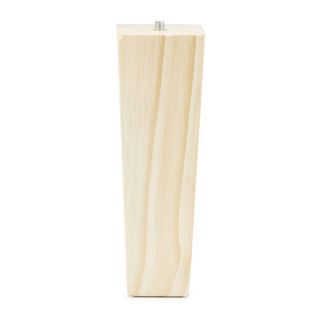
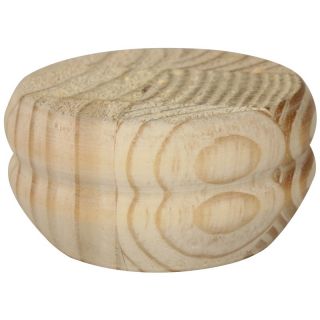
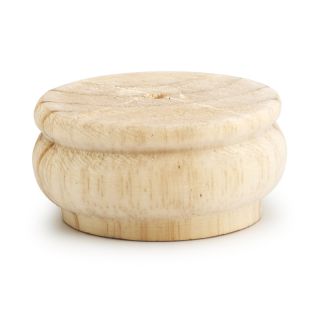
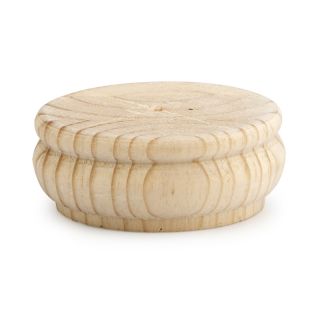
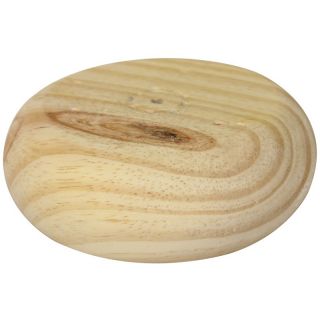
Wooden table legs bring a natural finish to furniture and can work with traditional, contemporary and rustic designs. Raw timber options can also be customised with paint, stain or another suitable finish, making them a versatile choice for DIY furniture projects. When looking for wooden table legs for sale, check the height, dimensions and mounting requirements before purchasing.
Metal & Steel Furniture Legs
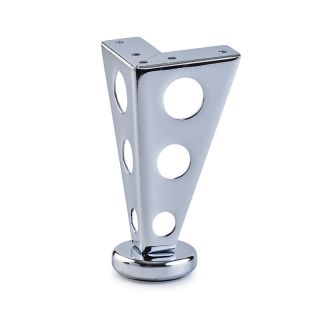
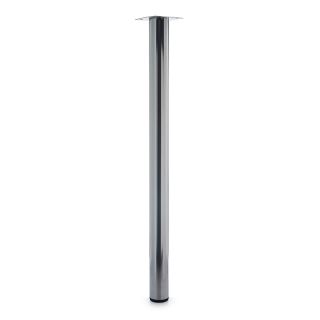
Metal table legs are a practical option for contemporary and industrial-inspired furniture. Options such as hairpin, round and square legs provide different profiles for tables, desks and other furniture projects.Steel table legs and stainless steel options provide reliable support, but always check the specifications and recommended application for each product.
Coffee Table & Dining Table Legs
Furniture height is an important consideration when choosing replacement legs. Coffee table legs are generally lower, while dining table legs need to create a comfortable finished table height. Measure the existing furniture or calculate the required finished height before selecting your legs.
Sofa Legs & Furniture Feet
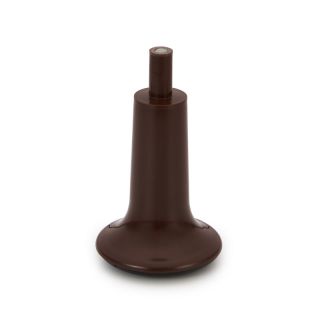
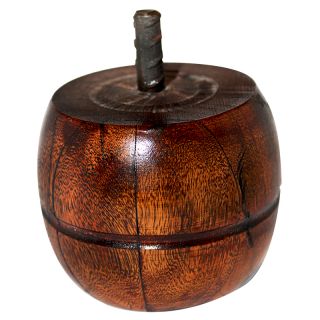
You can replace sofa legs when existing feet become damaged, unstable, or outdated. Gelmar's range includes different heights, materials and designs for couches, ottomans, benches and upholstered furniture. Wooden sofa legs can provide a more traditional or natural finish, while metal options suit contemporary furniture. When comparing sofa legs for sale, check the mounting method and required height.
Adjustable Legs & Floor Protectors
Adjustable table legs and other adjustable legs can help level furniture on slightly uneven floors. Floor protectors, including furniture leg protectors and glides, can help reduce scratches and wear while improving contact between furniture and the floor.
How to Choose the Right Furniture Legs
Start with the furniture type and intended use. Consider the required height, furniture weight, leg material, mounting method and number of legs needed. For replacement projects, check how the existing legs are attached before buying new ones.
Style matters too. Wooden legs offer a natural look, while metal and steel options suit modern and industrial-inspired furniture. Adjustable legs are especially useful when you need to level the piece.
Which Furniture Legs Should You Choose?
| | |
| Tables and traditional furniture | Natural, customisable appearance |
| Modern furniture projects | Clean contemporary styling |
| Tables and furniture builds | Strong, practical support |
| Couches and upholstered furniture | Easy replacement or furniture update |
| Uneven floors and levelling | Improved stability and flexibility |
| Furniture on sensitive flooring | Helps reduce scratches and wear |
Why Choosing the Right Furniture Legs Matters
Furniture legs affect stability, finished height and how comfortably a piece can be used. The wrong height or mounting type can make an otherwise suitable leg impractical, so measure carefully and check compatibility before purchasing.
Replacement legs also offer a cost-effective way to update existing furniture. For example, switching from an old wooden foot to a modern metal design can give a table or sofa a noticeably different look without replacing the entire piece.
For repairs and custom builds, you can combine furniture legs with suitable hardware and fittings to complete the installation. If mobility is more important than a fixed base, castors may be a better option. Office furniture fittings can also provide specialised solutions for desks and workstations.
Trusted by South African homeowners, DIY enthusiasts, furniture makers, renovators and interior professionals, Gelmar offerstable legs, sofa legs and related furniture components online and through its national store network. Browse table legs for sale for repairs, upgrades and new furniture projects.
Questions Shoppers Often Ask
What material is best for furniture legs? It depends on the application. Wooden legs offer a natural, customisable look, while metal and steel legs suit contemporary furniture and a wide range of practical applications.
When should sofa legs be replaced? Replace sofa legs if they are damaged, unstable, worn or no longer provide the height or appearance you want.
Are steel furniture legs suitable for heavy furniture? Steel can provide strong support, but load capacity varies between products. Always check the specifications before selecting legs for heavier furniture.
Can adjustable legs help with uneven floors? Yes. Adjustable legs allow small height changes to help level furniture and improve stability on uneven surfaces.
Do floor protectors help prevent scratches? Yes. Suitable floor protectors create a barrier between the furniture and flooring, helping reduce scratches, scuffs and everyday wear.
Can replacing furniture legs change the appearance of furniture? Yes. Changing the height, material, shape or finish of the legs can noticeably update a table, sofa or other furniture piece without replacing it.